Authentic recipes and techniques, explained properly
Tested methods and fundamental techniques that build genuine culinary confidence, with regional European recipes documented in meticulous detail. We focus on technique, temperature control and the science of flavour development.
Four foundations we return to again and again, each explained through temperature, timing and the reasons a method works.
Method one
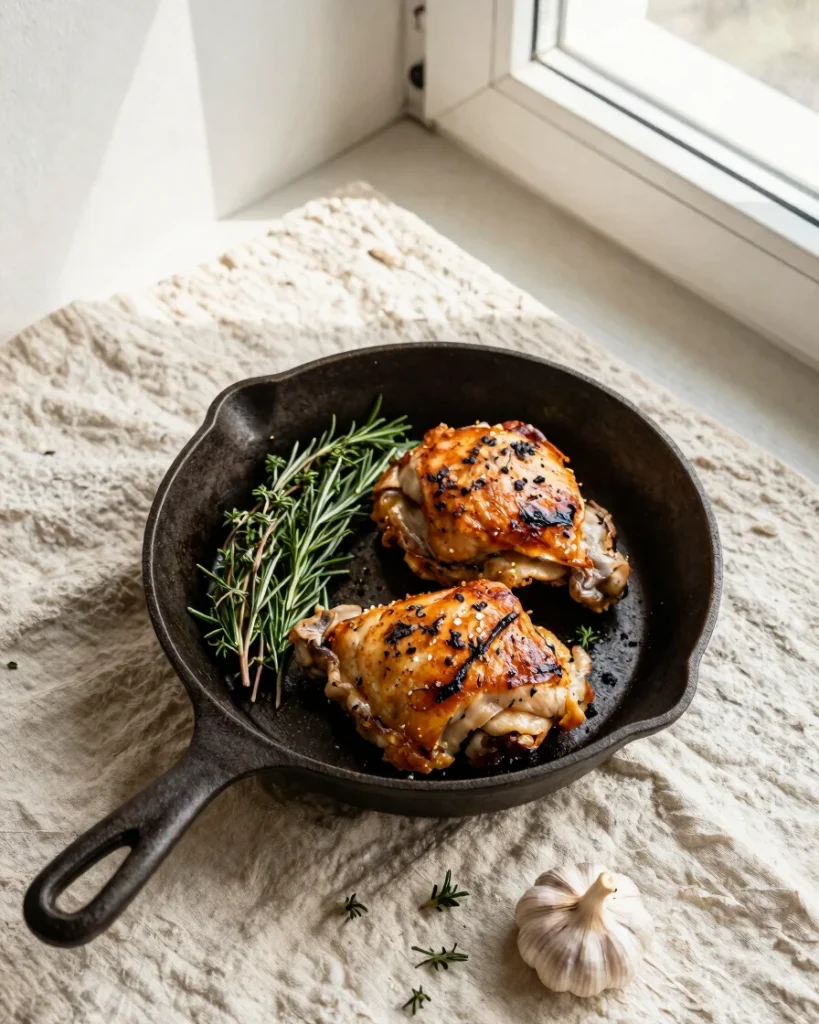
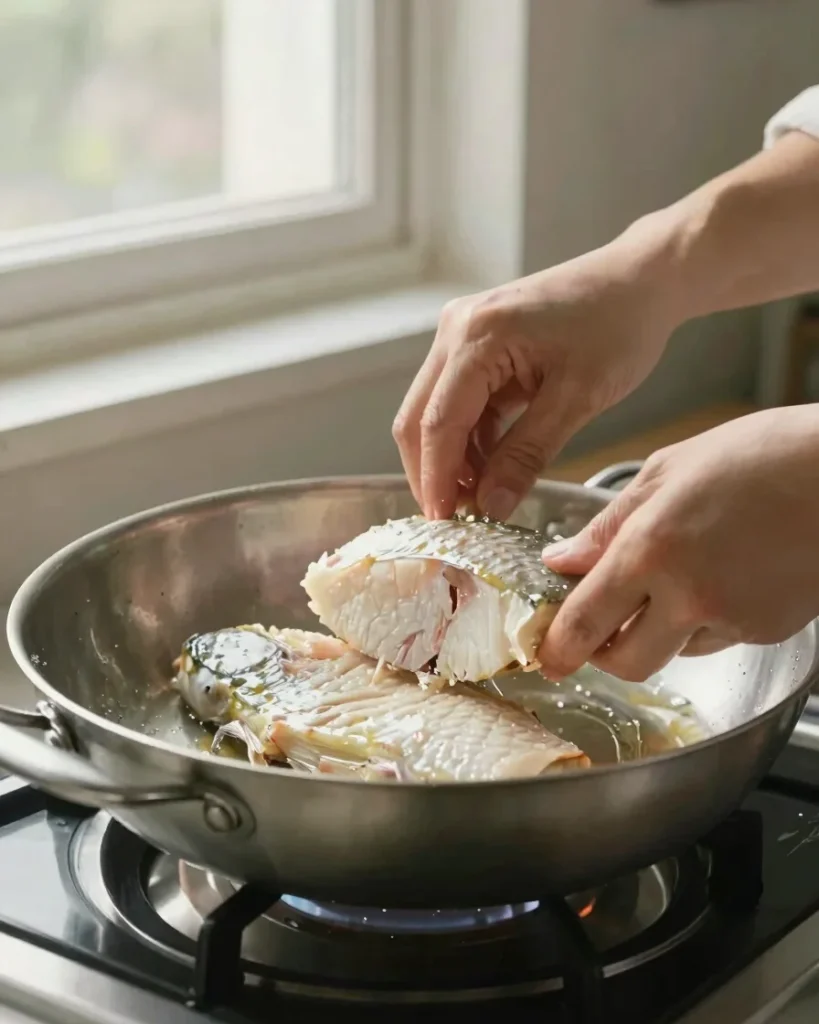
Slow pan-roasting
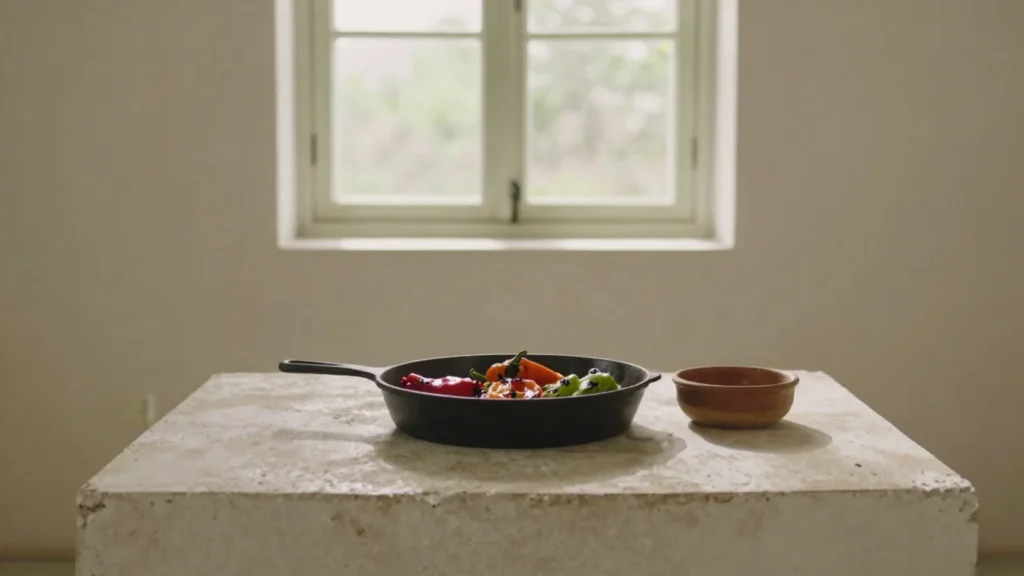
Start with a cold or gently warmed pan, then render fat slowly so the skin or crust colours evenly. Lower heat protects the flesh while the surface develops depth, a sequence worth practising before any sauce is attempted.
Method two
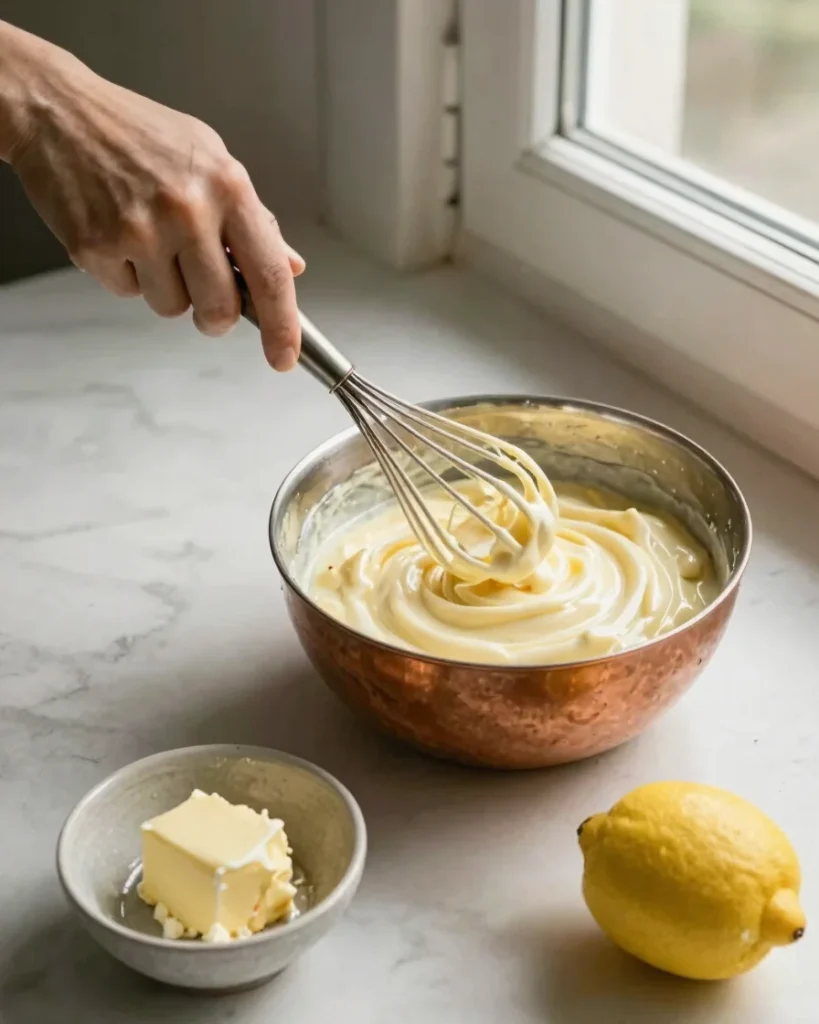
Emulsion sauces
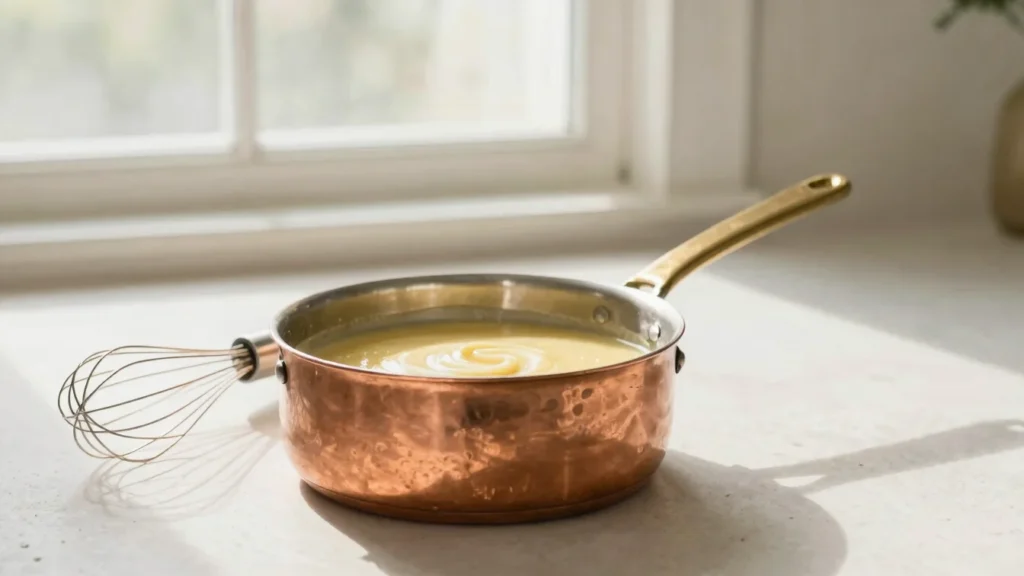
Hollandaise, beurre blanc and vinaigrette all depend on suspending fat in liquid. Add fat gradually, keep temperature steady and whisk with purpose, because the stability of the sauce is decided in the first minute.
Method three
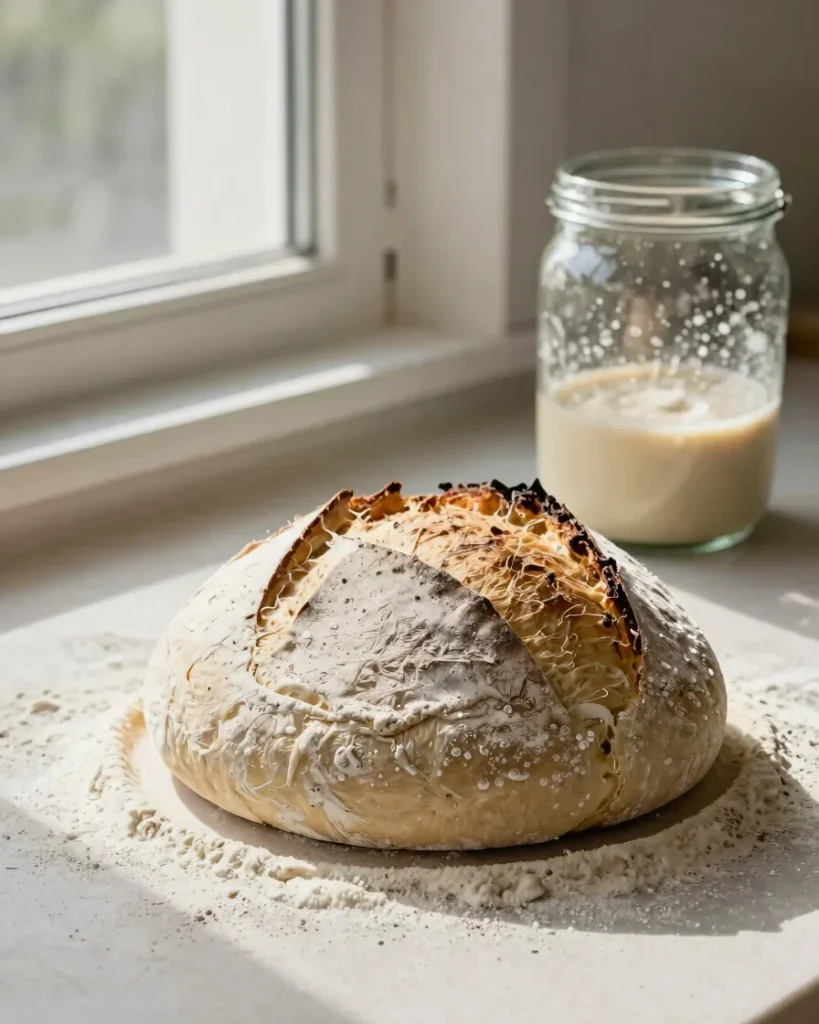
Dough fermentation
Fermentation is a question of time and temperature rather than a fixed recipe. Read the dough, watch for volume, bubbles and relaxed extensibility, and let the flavour develop before the bake begins.
Method four
Seasoning principles
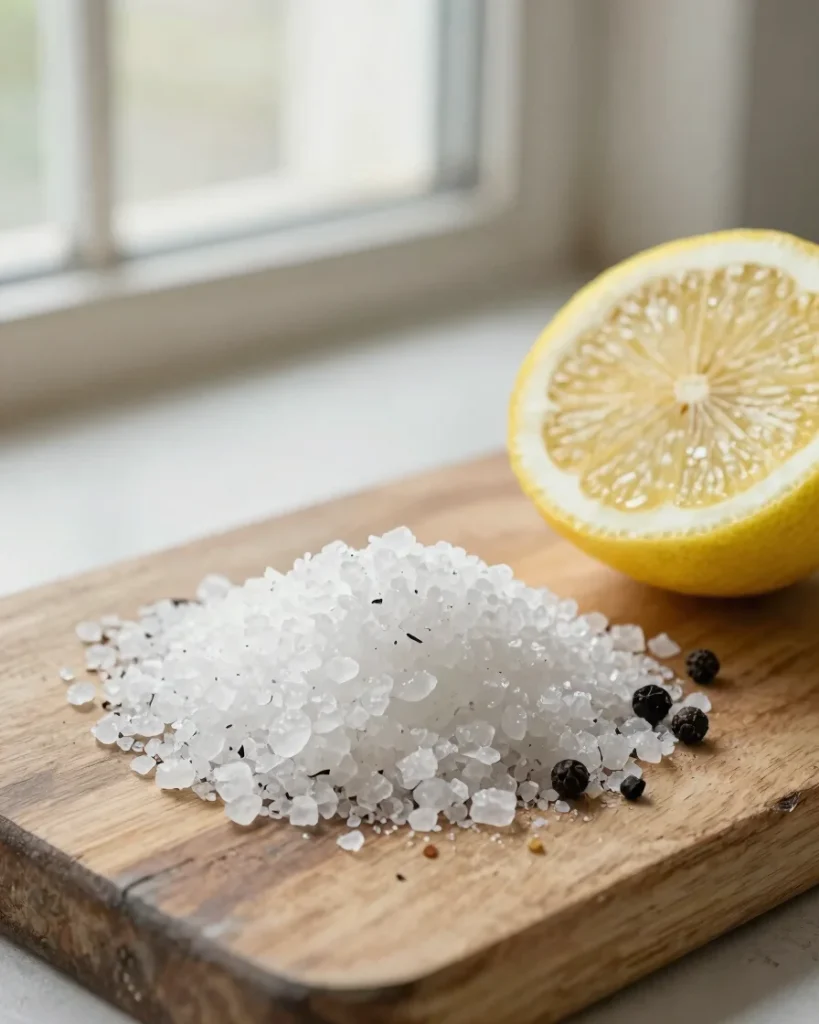
Salt is applied early enough to penetrate, tasted at each stage and adjusted with acid or herbs to balance richness. Seasoning is a continuous judgement across the whole cook, not a final sprinkle.
Regional collections
Foundational recipes from three traditions
Documented collections that gather the core dishes, methods and reference points of each culinary tradition.
Italian
Regional Italian pasta
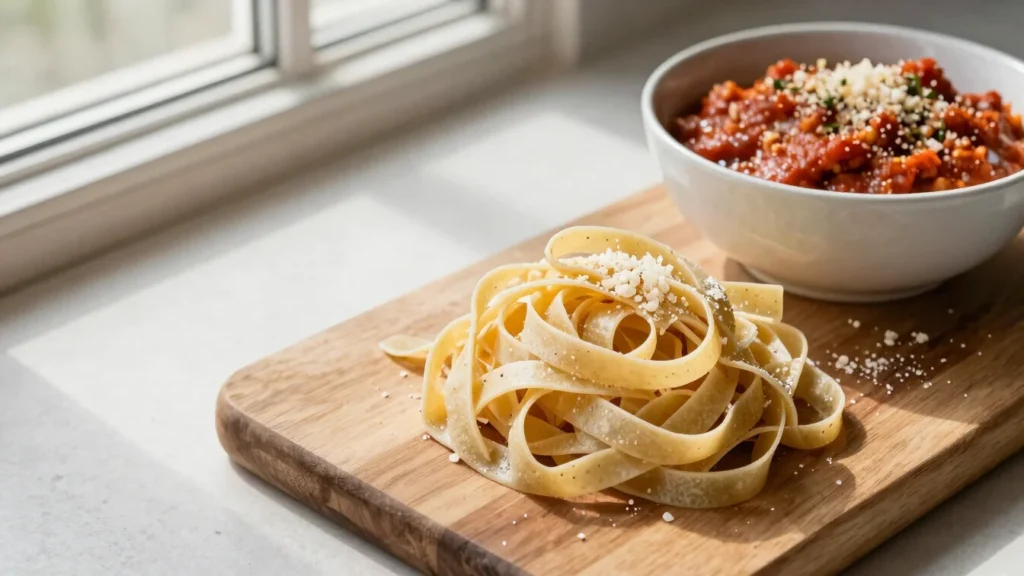
Egg dough, shaping and the discipline of a well-judged sauce, from Emilia-Romagna to the south.
French
Classical French sauces
The mother sauces and their derivatives, built on roux, stock and patient reduction.
Iberian
Iberian hearth cooking
Open-fire grilling, slow braises and the preserved flavours that define Spanish and Portuguese kitchens.